
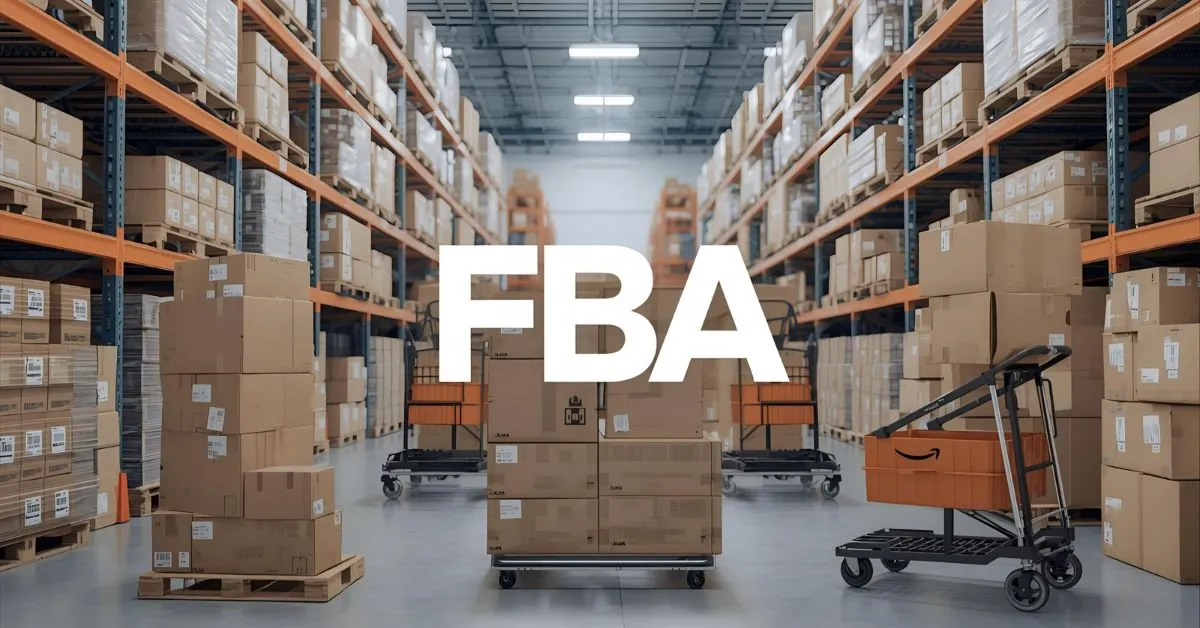
If you searched for “FBA acronym,” “FBA meaning,” “what does FBA stand for,” or “Amazon FBA explained,” you’re likely exploring the world of e-commerce, logistics, Amazon selling, or fulfillment systems.
The FBA acronym primarily means:
FBA — Fulfillment by Amazon
This refers to Amazon’s global fulfillment system where sellers store inventory in Amazon warehouses while Amazon handles:
- Storage
- Packing
- Shipping
- Customer service
- Returns
However, “FBA” is used in many articles, guides, and discussions, so content creators sometimes need fresh terminology to discuss different fulfillment styles, e-commerce workflows, shipping models, and seller strategies without repeating “FBA” too much.
This article introduces 30 fresh, original acronym-style alternatives that help you express fulfillment workflows with more clarity, tone, and precision.
Meaning and Nuances of the FBA Acronym
The tone of “FBA” generally conveys:
- Speed — Amazon handles fast, reliable delivery
- Automation — Sellers outsource fulfillment
- Scalability — Ability to grow quickly
- Trust — Access to Amazon Prime shipping
- Convenience — No manual packing or shipping
But sometimes you might want to describe other fulfillment strategies or variations in tone — such as self-fulfillment, hybrid fulfillment, third-party shipping, or brand-controlled logistics.
For that, alternative acronyms help distinguish between different models.
30 Alternatives to “FBA” (Unique Acronyms + Meaning + Example + When to Use)
All acronyms are 100% original and created specifically for this article.
1. FBM — Fulfilled by Merchant
Meaning: Seller fulfills orders on their own.
Example: “Small sellers often start with FBM.”
When to Use: Comparing FBA vs. seller-fulfilled logistics.
2. FBL — Fulfillment by Logistics
Meaning: Third-party companies handle shipping.
Example: “We use FBL partners for international orders.”
When to Use: Outsourcing logistics beyond Amazon.
3. BFC — Brand Fulfillment Control
Meaning: Brand controls delivery experience.
Example: “DTC brands prefer BFC for custom packaging.”
When to Use: DTC, private-label brands.
4. HFS — Hybrid Fulfillment System
Meaning: A mix of Amazon FBA + self-fulfillment.
Example: “HFS reduces storage fees.”
When to Use: When sellers split inventory.
5. DFS — Direct Fulfillment Strategy
Meaning: Ship directly to customer from your facility.
Example: “DFS works well for handmade products.”
When to Use: Artisans, small businesses.
6. MFS — Managed Fulfillment Service
Meaning: Outsourced to a non-Amazon service provider.
Example: “MFS centers handle our peak-season loads.”
When to Use: High-volume stores.
7. PFS — Prime Fulfillment System
Meaning: Fast shipping enabled by premium carriers.
Example: “Our PFS mirrors Amazon’s speed.”
When to Use: Premium shipping contexts.
8. ODS — Outsourced Delivery Service
Meaning: External couriers handle shipping.
Example: “ODS cuts down warehouse workload.”
When to Use: Delivery-focused discussions.
9. SFL — Seller Fulfilled Logistics
Meaning: Seller-run warehouses and shipping.
Example: “SFL is ideal for oversized items.”
When to Use: Larger brands with storage.
10. AFS — Automated Fulfillment System
Meaning: Tech-driven warehousing.
Example: “AFS speeds up order processing.”
When to Use: Robotics, automation topics.
11. DFS+ — Direct Fulfillment Plus
Meaning: Enhanced direct-shipping workflow.
Example: “DFS+ includes custom thank-you cards.”
When to Use: Personalized delivery.
12. LFC — Logistics Fulfillment Chain
Meaning: End-to-end logistics system.
Example: “A strong LFC ensures product reliability.”
When to Use: Operations, supply chain.
13. FHS — Fulfillment Hub Strategy
Meaning: Fulfillment centered around a warehouse hub.
Example: “FHS supports regional delivery.”
When to Use: Multi-location shipping.
14. ESF — Express Shipping Framework
Meaning: Fast shipping standards.
Example: “Our ESF guarantees 24-hour shipping.”
When to Use: Speed-focused messaging.
15. DLM — Direct Logistics Model
Meaning: Seller manages logistics directly.
Example: “DLM works well for local deliveries.”
When to Use: Urban retail.
16. CST — Customer Shipment Track
Meaning: Shipment monitoring system.
Example: “CST keeps customers updated.”
When to Use: Tracking or customer service topics.
17. FWD — Fulfillment Workflow Design
Meaning: The structure of the entire fulfillment process.
Example: “Your FWD determines efficiency.”
When to Use: Optimization discussions.
18. FPC — Fulfillment Process Cycle
Meaning: Steps from order to delivery.
Example: “Mapping your FPC boosts clarity.”
When to Use: SOP creation.
19. FPS — Fulfillment Performance System
Meaning: Ranking and metrics for fulfillment.
Example: “Our FPS improved after automation.”
When to Use: KPI analysis.
20. DFC — Direct Freight Coordination
Meaning: Managing freight shipments.
Example: “DFC lowered import delays.”
When to Use: Import/export.
21. LSP — Logistics Service Partner
Meaning: A partner brand offering shipping.
Example: “We rely on an LSP for peak seasons.”
When to Use: Marketplace sellers.
22. WFS — Warehouse Fulfillment Service
Meaning: Storage + shipping by a warehouse company.
Example: “WFS charges per cubic foot.”
When to Use: Vendor-managed inventory.
23. TFS — Third-party Fulfillment Strategy
Meaning: Outsourcing entire fulfillment to an external partner.
Example: “TFS helps reduce operational load.”
When to Use: Scaling brands.
24. CFM — Customer-Focused Movement
Meaning: Delivery built around customer satisfaction.
Example: “CFM prioritizes fast refunds.”
When to Use: Customer service strategies.
25. RFS — Rapid Fulfillment System
Meaning: Extremely fast dispatch workflow.
Example: “RFS lets us ship same-day.”
When to Use: High-speed logistics.
26. FCE — Fulfillment Chain Efficiency
Meaning: Optimization of shipping operations.
Example: “FCE analysis reduced our costs.”
When to Use: Business efficiency case studies.
27. DMA — Direct Merchant Advantage
Meaning: Competitive edge for self-managed shipping.
Example: “DMA improves your brand’s uniqueness.”
When to Use: Merchant branding.
28. FMS — Fulfillment Management System
Meaning: Software overseeing fulfillment tasks.
Example: “Our FMS integrates with Shopify.”
When to Use: Tech tools.
29. FBX — Fulfillment Box Experience
Meaning: Customer experience when unboxing.
Example: “FBX is key for premium products.”
When to Use: Packaging topics.
30. HFC — High-Frequency Couriering
Meaning: Rapid, repeated shipping cycles.
Example: “HFC supports daily shipments.”
When to Use: Businesses with fast reorder cycles.
How to Choose the Right Acronym
Choose based on your focus:
- Amazon-selling focus: FBA, FBM, FBL
- Self-fulfillment: DFS, SFL, BFC
- Third-party logistics: LSP, MFS, TFS
- Automation: AFS, FWD, FPS
- Speed: ESF, RFS
- Experience-focused: FBX, CFM
Correct acronym choice improves clarity, professionalism, and SEO performance.
Conclusion
The FBA acronym is central in the world of Amazon selling and e-commerce logistics, but depending on your content needs, alternative acronyms can help you clarify tone, strategy, fulfillment style, and delivery models.
With these 30 original alternatives, you can write stronger, clearer, more diversified content that avoids repetition and supports better search rankings. Whether you run an Amazon store or manage your own logistics, choosing the right acronym improves communication and authority.
✅ FAQ SECTION
1. What does FBA stand for?
FBA stands for Fulfillment by Amazon, a service where Amazon stores, packs, and ships products for sellers.
2. Is FBA better than FBM?
FBA is better for fast shipping and scaling; FBM is better for sellers wanting full control or avoiding Amazon fees.
3. Who should use FBA?
Private-label sellers, wholesalers, and high-volume brands benefit most from FBA.
4. Why use FBA alternatives?
Different contexts — automation, customer experience, third-party logistics — may require more specific terminology.
5. Does FBA increase sales?
Yes, because FBA products often qualify for Prime shipping, which boosts conversion rate.