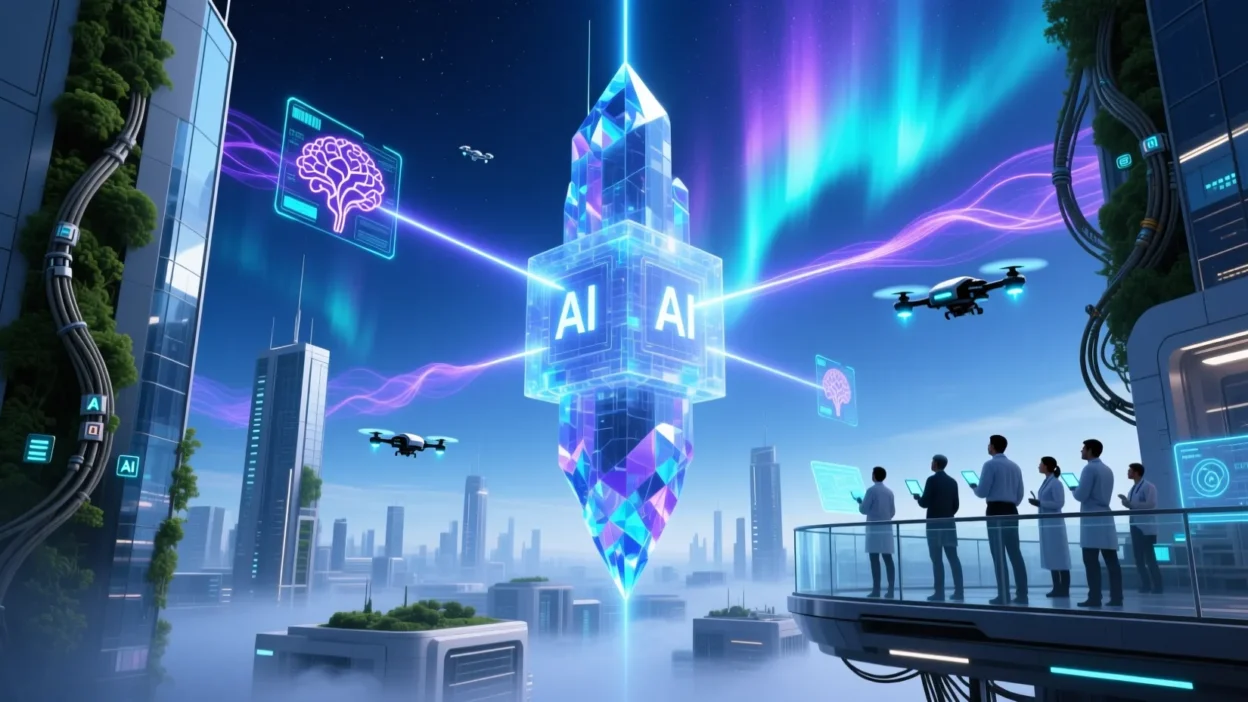
Artificial intelligence, often called AI, is changing the world around us. Many people already use AI without even knowing it. It helps us search the internet, use mobile phones, and watch videos online.
In the future, AI will become even more important in our daily lives. It will help people work faster, learn better, and live more comfortably.
This article explains the future of artificial intelligence technology in a simple and easy way.
It is written for beginners and uses clear words so everyone can understand what AI may bring in the coming years.
AI in Everyday Life
In the future, artificial intelligence will become a normal part of daily life. People will see AI at home, at work, and in public places. Smart machines will help with simple tasks like cleaning, cooking, and shopping. Homes may have smart helpers that can turn lights on, control temperature, and remind people of important things.
AI will also help people save time. For example, it may plan daily schedules or suggest the best routes for travel. Many mobile apps already use AI, but in the future, these apps will become more helpful and more personal. They will understand user needs better and give better suggestions.
AI will not replace humans in daily life. Instead, it will work with people and make life easier. This teamwork between humans and AI will grow stronger over time.
AI and Jobs in the Future
Many people worry that artificial intelligence will take away jobs. While some jobs may change, many new jobs will also appear. AI will help people do their work faster and with fewer mistakes. It will handle boring and repeated tasks, allowing humans to focus on creative and meaningful work.
In offices, AI may help write reports, organize data, and manage schedules. In factories, machines may work safely alongside humans. Farmers may use AI tools to grow better crops and save water. Teachers may use AI to help students learn at their own pace.
The future of work will not be about humans versus AI. It will be about humans using AI as a helpful tool. People who learn how to work with AI will have more chances for success.
AI in Education and Learning
Education will change a lot with artificial intelligence. In the future, students may learn in more personal ways. AI can understand how each student learns and adjust lessons to fit their needs. Slow learners can get extra help, and fast learners can move ahead easily.
Online learning will become better and more interactive. AI tutors may answer questions at any time, day or night. Students will not feel shy to ask questions because AI does not judge. Teachers will also benefit, as AI can help check homework and track student progress.
Learning will become more fun and flexible. Students may learn from anywhere in the world. AI will help make education fairer by giving more people access to learning tools.
AI in Health and Daily Care
Artificial intelligence will play a big role in health and daily care in the future. Doctors may use AI to understand health problems faster. AI can help find signs of illness early, which can save lives. It may also help doctors choose better treatments.
In daily care, AI can help elderly people live safely. Smart systems may remind them to take medicine or alert family members in case of danger. AI tools may also support people with disabilities by helping them communicate and move more easily.
Healthcare will become more caring and more personal. AI will not replace doctors or nurses, but it will support them. This will help improve health services for everyone.
AI and the Future of Society
Artificial intelligence will shape society in many ways. Cities may become smarter, with better traffic systems and cleaner environments. AI may help reduce waste and save energy. Governments may use AI to improve public services and make better decisions.
At the same time, people will need to use AI wisely. Privacy and fairness will be important topics. Society must make sure AI is used for good purposes and benefits everyone. Rules and guidance will help keep AI safe and helpful.
The future will depend on how humans guide AI. With care and responsibility, AI can help build a better and more balanced world.
Conclusion
The future of artificial intelligence technology is full of promise and opportunity. AI will help people in daily life, work, education, health, and society.
It will not replace humans but support them in many ways. Life may become easier, safer, and more efficient with AI.
However, people must use it wisely and responsibly. By learning about AI and understanding its role, everyone can prepare for a future where humans and artificial intelligence grow together in a positive way.