Have you ever been scrolling through comments, memes, or anime discussions and suddenly spot the term “NTR”, and your brain just freezes? Same.
The first time I saw it, I thought it was some new gaming stat or maybe a fandom acronym. But then… the replies underneath made it clear I had absolutely no idea what people were talking about. 😅
If you’ve just stumbled across it and felt the same confusion — don’t worry, you’re not alone. It’s one of those internet terms that can feel a bit intense when you learn the meaning.
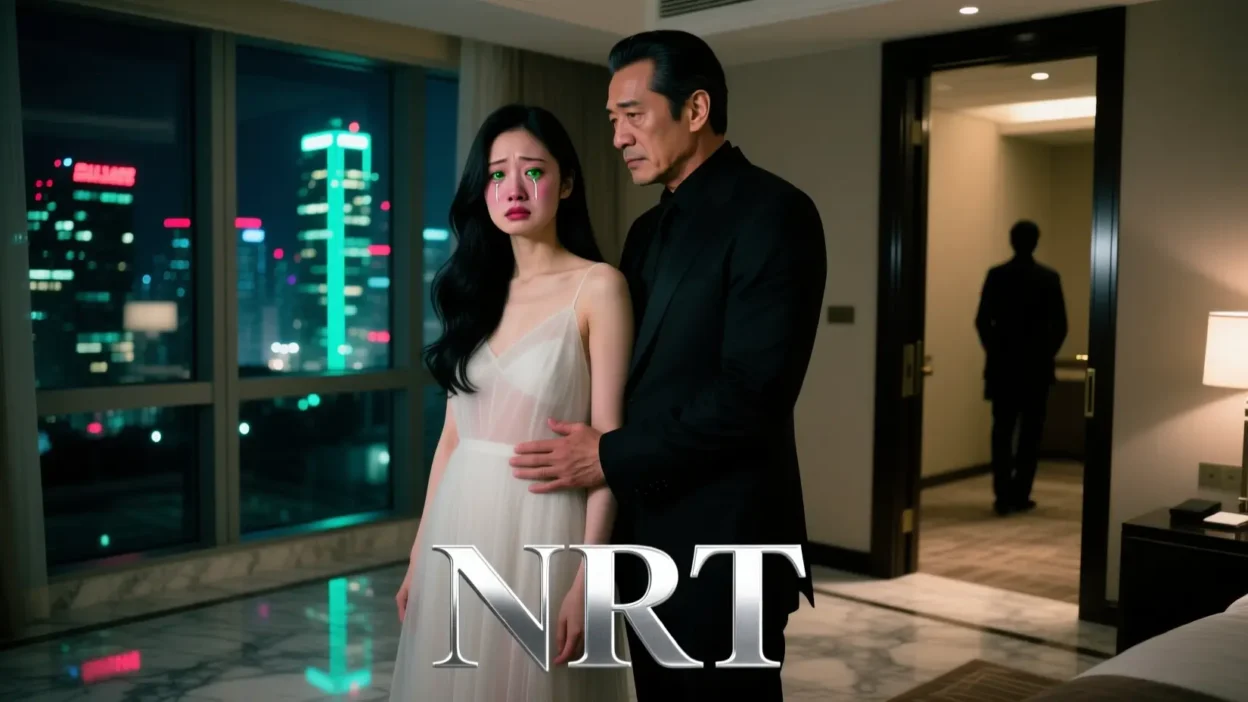
Quick Answer: NTR means “Netorare.” It’s a genre term mainly used in anime, manga, and adult content where someone’s romantic partner cheats or is taken away. It expresses themes of jealousy, betrayal, or heartbreak.
🧠What Does NTR Mean in Text?
NTR stands for Netorare (a Japanese term).
In simple words, NTR refers to a situation where someone loses their partner to another person, often in stories or fiction.
It expresses:
- Cheating
- Stolen partner
- Emotional betrayal
- Romantic heartbreak
While originally from anime and manga culture, the term is now used online to describe any cheating scenario — fictional or real.
Simple Example Sentence:
“Bro, that storyline was so NTR 😭 the guy didn’t deserve that.”
In short:
NTR = Netorare = partner stolen/cheating storyline.
📱Where Is NTR Commonly Used?
You’ll mostly see NTR in communities that discuss anime, manga, and adult content — but it has spread across social media too.
Here’s where it appears most:
- 🎌 Anime & manga discussions
- 💬 Discord servers
- 😂 Meme pages
- 🧑💻 Reddit threads (especially r/anime or r/manga)
- 💭 Twitter/X debates
- 📱 TikTok comments
- 🎮 Gaming chats referencing story tropes
Tone:
- ❌ NOT a casual or friendly slang
- Mainly used in niche, fandom, or adult-context conversations
- Not appropriate for professional or formal use
💬Examples of NTR in Conversation
Here are realistic chat-style examples showing how people use it:
1.
A: “Did you watch episode 6 yet??”
B: “Bro that was straight up NTR 😭💀”
2.
A: “This game storyline is wild.”
B: “Yeah they really threw in some NTR for no reason 😭”
3.
A: “Why is everyone mad at the new chapter?”
B: “Because the author added NTR and shocked the whole fandom 💀”
4.
A: “I don’t get why ppl hate NTR so much.”
B: “It’s the betrayal for me 😩”
5.
A: “Should I read the manga?”
B: “Only if you can handle NTR themes lol”
6.
A: “Why is this trending again?”
B: “Some NTR drama in the anime community 😭”
7.
A: “This plot twist ruined my night.”
B: “Same bro, unexpected NTR hits hard.”
🕓When to Use and When Not to Use NTR
✅ When to Use
Use NTR when:
- Talking about anime/manga storylines
- Discussing romantic betrayal themes
- Describing a cheating plot twist
- Talking with friends who understand the slang
- Commenting on fandom drama or memes
❌ When NOT to Use
Avoid using NTR when:
- Talking with people unfamiliar with anime slang
- In work chats (major no ❌)
- In professional emails
- In serious real-life conversations about relationships
- Around people who may find the topic uncomfortable
Comparison Table
| Context | Example Phrase | Why It Works |
|---|---|---|
| Friend Chat | “Bro this chapter is pure NTR 😭” | Casual, fandom-friendly |
| Meme Comment | “NTR plot twist caught me off guard 😂” | Fits internet humor |
| Gaming Chat | “Why did they add NTR tho?” | Common in story discussions |
| Work Chat | “This storyline feels like betrayal.” | Clear & professional |
| “The narrative includes themes of conflict.” | Neutral & formal |
🔄Similar Slang Words or Alternatives
| Slang | Meaning | When to Use |
|---|---|---|
| Cheating arc | A storyline involving infidelity | For casual, non-anime friends |
| Heartbreak trope | Fiction with emotional betrayal | When writing or discussing plots |
| Drama arc | Intense emotional twist | Mild alt for sensitive topics |
| Love triangle | Three-person relationship tension | When NTR doesn’t fully fit |
| Toxic romance | Emotionally unhealthy relationship themes | Broader than NTR |
| Angst | Emotional pain in stories | Soft alternative for general sadness |
❓FAQs
1. Is NTR a bad thing?
Not inherently — it’s just a story genre, but many people dislike it because it involves betrayal.
2. Is NTR slang used in real relationships?
Rarely. It’s mostly used to describe fictional situations, though some may jokingly use it online.
3. Is NTR only for anime?
No. While it started in Japanese media, people now use it for Western shows, games, and dramas too.
4. Why do people hate NTR?
Because it creates strong feelings of jealousy, insecurity, and emotional shock.
5. Is NTR the same as cheating?
Almost — but NTR is usually a genre or story trope, not just the act of cheating itself.
6. Is NTR appropriate to say anywhere?
No. It’s niche and not suitable for formal spaces.